The boxing in Boxing Day has nothing to do with the ring. The name comes from boxes, and the two customs behind those boxes, one for household staff and tradespeople, one for the poor, reach back centuries in Britain.
Where The Name Boxing Day Comes From
Boxing Day falls on December 26, the day after Christmas, and the name comes from British tradition rather than the sport. The date is also the Feast of St. Stephen, which carries its own long association with giving. Historians point to two main explanations for the word boxing, and reference works such as The Canadian Encyclopedia and Britannica record both rather than declaring a single winner.
The first explanation involves Christmas boxes handed to the people who served a household or worked in its service trades. The second involves alms boxes kept in churches and opened for the poor. Both customs put money or goods in a box, and both put the handover on the day after Christmas. Both took root in the medieval period and carried through the Victorian era as organized charity.
Christmas Boxes For Servants And Tradespeople
In the first telling, the box was a thank-you. Households gave Christmas boxes to servants, tradespeople and employees on December 26, and the boxes held gifts, money or leftovers from the Christmas table. The recipients were the people who had cooked, cleaned, delivered and carried through the year, and the box was a small share of the season passed down once the household's own celebrations were over.
The custom reached past great houses. Anyone who provided a service through the year could expect something at Christmas, and the day after Christmas became the recognized moment for that settling up. Over time the practice faded. The date kept the name the boxes gave it.
Church Alms Boxes And The Feast Of St. Stephen
The second explanation moves the box from the manor to the parish church. Alms boxes sat in churches and collected donations throughout Advent, the weeks of preparation before Christmas. On December 26 the boxes were opened and the contents handed out to the poor, a distribution timed to the feast day.
The calendar reinforces the association. December 26 is the Feast of St. Stephen, and the season of giving that begins at Christmas runs straight into it. Whether the box came from a household or a congregation, the logic was the same: the people with something to spare passed it to the people without, the day after Christmas.
How Canada Adopted Boxing Day
Canada inherited the holiday through its Commonwealth ties. Boxing Day has been observed here since at least 1871, according to The Canadian Encyclopedia, and the day is listed in the Canada Labour Code as a general holiday for federally regulated workplaces. That legal status is narrower than many people assume, because provinces and territories set their own holiday rules and not all of them treat December 26 as a statutory holiday.
The calendar matters in years when the date lands on a weekend. Boxing Day 2026 falls on Saturday, December 26. Under the Canada Labour Code, when Boxing Day falls on a Saturday that is a non-working day for the employee, the employee is entitled to a paid holiday on the working day immediately before or after. Provincial rules follow their own legislation, so whether Boxing Day is a stat holiday where you live depends on your province, and holiday pay on Boxing Day has its own set of rules.
From Christmas Boxes To Boxing Day Sales
The boxes themselves have largely disappeared from Canadian life. The name stayed, and it now does most of its work in retail, where the days after Christmas belong to flyers and clearance racks. The stretch of discounting that follows the holiday has its own label, Boxing Week, covering the sales that run from Boxing Day to about December 31. Many stores also begin early or open their sales online on or before December 26, so the shopping version of the holiday often starts before the name day itself.
None of that changes the answer to the question. The sale took its name from the day, and the day took its name from boxes, whether boxes of gifts and money for the people who worked through Christmas or boxes of alms opened for the poor. For what actually happens and when, the Boxing Day flyers and the length of the sale period are the practical guides, and the Boxing Day electronics sale pages follow the discounts as they appear.
Live Deals Worth A Look
Prices in CAD, as of Nov 22, 2026, 1:49 AM ETDetails
All prices are in Canadian dollars (CAD) from Amazon.ca. Product prices and availability are accurate as of the date and time indicated and are subject to change. Any price and availability information displayed on Amazon.ca at the time of purchase will apply to the purchase of this product.
-
-81%
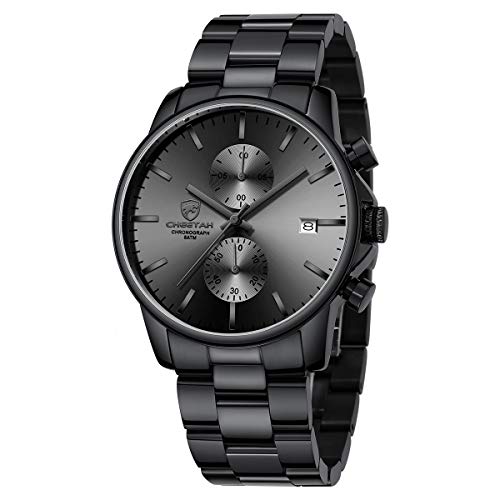 GOLDEN HOUR
 Men's Watches with Black Stainless Steel and Metal Casual Waterproof Chronograph Quartz Watch, Auto Date in Grey Hands
Limited-Time Deal, ends Dec 1$42.59List:See Deal On Amazon.ca$223.96 -
-80%
 AOYBWK
Smart Watch for Men Women Answer/Make Call, 1.85" Smartwatch, Fitness Watch with Heart Rate Sleep Monitor, 140+ Sports Modes, IP68 Waterproof Step Counter Watch Compatible Android iOS(Moonlight)
Limited-Time Deal, ends Dec 1$37.99Was:See Deal On Amazon.ca$189.99 -
-79%
 Vanzon
 Portable Bluetooth Speaker Wireless, 24W Loud Sound,24H Playtime | IPX7 Waterproof Speaker with Deep Bass, Wireless TWS Pairing, RGB Lights, for Outdoor Home Party Beach Travel,Great Gifts
Limited-Time Deal, ends Dec 1$37.99Was:See Deal On Amazon.ca$179.99 -
-70%

Frequently Asked Questions
What does Boxing Day mean?
Boxing Day is December 26, the day after Christmas, named for the old British custom of giving Christmas boxes of gifts, money or leftovers to servants, tradespeople and employees, or of opening church alms boxes for the poor. It has nothing to do with the sport of boxing.
Does Boxing Day have anything to do with boxing matches?
No. The boxing in the name refers to boxes, the containers, not the ring. It comes from Christmas boxes and church alms boxes, two British customs tied to the day after Christmas.
Why is Boxing Day on December 26?
The date is the day after Christmas and also the Feast of St. Stephen. The customs behind the name, handing boxes to servants and tradespeople or opening alms boxes for the poor, were timed to that day. Boxing Day 2026 falls on Saturday, December 26.
Is Boxing Day a statutory holiday in Canada?
It depends on the jurisdiction. The Canada Labour Code lists Boxing Day as a general holiday for federally regulated workplaces, while provincial and territorial rules vary. Where the day is a holiday and December 26 falls on a non-working Saturday, substitute-day rules such as those in the Canada Labour Code give employees a paid holiday on the working day before or after.
How long has Canada observed Boxing Day?
Boxing Day has been observed in Canada since at least 1871, according to The Canadian Encyclopedia. Canada adopted the holiday through its Commonwealth ties with Britain, where the name and the customs behind it originated.
- Amazon.ca saleAmazon.ca Boxing Day SaleAmazon.ca treats Boxing Day less like a one-day flyer and more like a rolling week of limited-time price cuts, and the markdowns run well past electronics into appliances, toys, beauty and clothing.
- QuestionIs Boxing Day A Stat Holiday In Canada?Only sometimes.
- QuestionWhat's Open On Boxing Day In Canada?In most of Canada, major retailers, malls, grocery stores and pharmacies open on Boxing Day, though many run reduced hours.
- QuestionBoxing Day Flyers 2026Most major Canadian chains publish their Boxing Day flyers in the week before December 26.
- QuestionWhen Is Boxing Day 2026?Boxing Day is December 26 every year.
- QuestionDo You Get Paid Time And A Half On Boxing Day?Only if Boxing Day is a statutory holiday where you work.
- QuestionHow Long Does Boxing Day Last?Boxing Day itself lasts one day: December 26.
- QuestionBoxing Day Vs Black Friday In CanadaNeither day wins outright in Canada.