Whether December 26 comes with extra pay depends on which province you work in and who regulates your workplace. For some Canadians, Boxing Day is a statutory holiday with premium pay attached; for most, it is a regular workday, and any Boxing Day premium comes from an employer or union contract rather than the law.
Where Boxing Day Is A Statutory Holiday
Canada does not have a single answer to this question, because employment standards are set province by province, with a separate federal layer for certain industries. Whether December 26 is a statutory holiday for you depends on which of those lists your workplace falls under.
The federal Canada Labour Code covers banks, airlines, railways, telecom and broadcasting companies, interprovincial trucking and the federal public service. Boxing Day is a general holiday under the code, so if you work in one of those sectors, December 26 carries holiday pay entitlements no matter which province you live in.
Ontario is the one province that adds Boxing Day to its own public holiday list under the Employment Standards Act. Most Ontario employees are therefore entitled to the day off with public holiday pay, or, if they agree in writing to work it, to one of two pay arrangements. Everywhere else in the country, Boxing Day is generally not on the statutory holiday list, which makes December 26 an ordinary working day unless something in your contract says otherwise.
For a fuller provincial breakdown, see whether Boxing Day is a stat holiday in Canada.
What Statutory Holiday Pay Looks Like
Where Boxing Day is a statutory holiday, two pieces usually attach to it. An employee who takes the day off receives public holiday pay, which is generally calculated from earnings over the period leading up to the holiday rather than a flat day of wages. An employee who works the holiday is owed at least time and a half for the hours worked, on top of general holiday pay for the day.
The exact mechanics vary by jurisdiction. In Ontario, an employee who agrees in writing to work a public holiday is paid one of two ways: public holiday pay plus premium pay of time and a half for the hours worked, with no substitute day, or regular wages for the hours worked plus a substitute day off with public holiday pay. Federally regulated employees who work a general holiday generally receive their holiday pay in addition to pay at one and a half times their regular rate for the hours worked.
Exceptions exist at the margins. A collective agreement can set different Boxing Day terms, and some occupations carry their own rules. Treat the picture above as the default and check what applies to your workplace before counting on it.
If Boxing Day Is Just A Normal Workday For You
Outside the federal jurisdiction and Ontario, December 26 is a regular working day under provincial employment standards law. Normal scheduling rules apply, and there is no general legal right to premium pay for the shift. If you are rostered on, it is at your usual rate unless something else in your arrangement kicks in.
Plenty does, in practice. December 26 is one of the heaviest shopping days of the year, and the big stores' Boxing Day sales are a large part of the reason. Many employers offer voluntary premiums, banked time or holiday-shift bonuses to staff the floor, and collective agreements in grocery and retail chains often include premium pay for December 26 specifically. Some offices simply close and grant a paid company holiday by policy, which is a benefit rather than a statutory right and can change from year to year.
Your offer letter, staff handbook or union agreement is where those terms show up, not the provincial statute. For how the day looks across the country, see what is open on Boxing Day in Canada. Major retailers have not yet posted Boxing Day hours for December 2026; Best Buy Canada's Boxing Day pages say only that the sale returns in December.
What A Saturday Boxing Day Means In 2026
Boxing Day 2026 falls on Saturday, December 26. When a statutory holiday lands on a weekend, jurisdictions generally move the paid day off for employees who do not normally work that day, often to the following Monday or another agreed working day. If you do work the Saturday itself, the holiday pay and premium rules above still apply wherever Boxing Day is a statutory holiday.
The shopping calendar does not move with it. Sales, door crashers and Boxing Week events are anchored to December 26 whatever day of the week it is, so retail schedules stay tied to the date. The day of the week matters most for offices and other weekday-only workplaces, which is where the substitute day shows up. For the background on the date, see when Boxing Day falls and why.
How To Check What You Are Entitled To
A short checklist settles most Boxing Day pay questions well before the schedule goes up.
- Work out whether your workplace is federally or provincially regulated. Banks, telecom, airlines, railways and the federal public service follow the Canada Labour Code; nearly everyone else follows their province.
- Look up the statutory holiday list for your province on its employment standards website. Ontario includes Boxing Day; most provinces leave it off.
- Read your employment contract, offer letter and any collective agreement. Voluntary premiums, company holidays and substitute days are usually spelled out there.
- Ask your manager or payroll contact before the December schedule is set, not after. Substitution days and shift swaps are easier to arrange in advance.
- If holiday pay looks wrong on a pay stub, provincial employment standards offices and the federal labour program both take claims, usually within a filing deadline.
One plain caveat: this page describes the general rules, not legal advice for a specific situation. Edge cases exist, and a collective agreement can override the defaults.
Live Deals Worth A Look
Prices in CAD, as of Nov 22, 2026, 1:49 AM ETDetails
All prices are in Canadian dollars (CAD) from Amazon.ca. Product prices and availability are accurate as of the date and time indicated and are subject to change. Any price and availability information displayed on Amazon.ca at the time of purchase will apply to the purchase of this product.
-
-81%
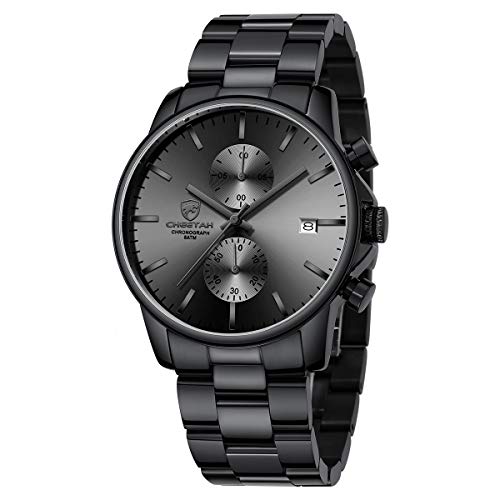 GOLDEN HOUR
 Men's Watches with Black Stainless Steel and Metal Casual Waterproof Chronograph Quartz Watch, Auto Date in Grey Hands
Limited-Time Deal, ends Dec 1$42.59List:See Deal On Amazon.ca$223.96 -
-80%
 AOYBWK
Smart Watch for Men Women Answer/Make Call, 1.85" Smartwatch, Fitness Watch with Heart Rate Sleep Monitor, 140+ Sports Modes, IP68 Waterproof Step Counter Watch Compatible Android iOS(Moonlight)
Limited-Time Deal, ends Dec 1$37.99Was:See Deal On Amazon.ca$189.99 -
-79%
 Vanzon
 Portable Bluetooth Speaker Wireless, 24W Loud Sound,24H Playtime | IPX7 Waterproof Speaker with Deep Bass, Wireless TWS Pairing, RGB Lights, for Outdoor Home Party Beach Travel,Great Gifts
Limited-Time Deal, ends Dec 1$37.99Was:See Deal On Amazon.ca$179.99 -
-70%

Frequently Asked Questions
Is Boxing Day time and a half in Ontario?
Only under one of the two options. Boxing Day is a public holiday under Ontario's Employment Standards Act. An employee who agrees in writing to work it gets either public holiday pay plus time and a half for the hours worked, or regular wages for the hours worked plus a substitute day off with public holiday pay.
Do federally regulated workers get holiday pay on Boxing Day?
Yes. Boxing Day is a general holiday under the Canada Labour Code, which covers banks, telecom, airlines, railways and the federal public service. Employees who work the day generally receive their holiday pay plus pay at one and a half times their regular rate for the hours worked.
Is Boxing Day a paid holiday in British Columbia, Alberta or Quebec?
No. Boxing Day is not on the statutory holiday list in those provinces, so December 26 is a regular working day unless your contract, company policy or collective agreement gives you the day off or premium pay.
Can my employer schedule me on Boxing Day without extra pay?
Outside Ontario and the federal jurisdiction, yes, because it is a normal working day under provincial law. Where Boxing Day is a statutory holiday, you can still be scheduled, but the holiday pay and premium rules generally apply.
What happens when Boxing Day falls on a weekend?
In 2026, Boxing Day falls on Saturday, December 26. Where it is a statutory holiday and you do not normally work weekends, the paid day off usually moves to another working day, often the following Monday. Retail schedules stay tied to December 26 itself.
- Amazon.ca saleAmazon.ca Boxing Day SaleAmazon.ca treats Boxing Day less like a one-day flyer and more like a rolling week of limited-time price cuts, and the markdowns run well past electronics into appliances, toys, beauty and clothing.
- QuestionIs Boxing Day A Stat Holiday In Canada?Only sometimes.
- QuestionWhy Is It Called Boxing Day?The name comes from British tradition.
- QuestionWhat's Open On Boxing Day In Canada?In most of Canada, major retailers, malls, grocery stores and pharmacies open on Boxing Day, though many run reduced hours.
- QuestionBoxing Day Flyers 2026Most major Canadian chains publish their Boxing Day flyers in the week before December 26.
- QuestionWhen Is Boxing Day 2026?Boxing Day is December 26 every year.
- QuestionHow Long Does Boxing Day Last?Boxing Day itself lasts one day: December 26.
- QuestionBoxing Day Vs Black Friday In CanadaNeither day wins outright in Canada.